Buy seopark.eu ?
We are moving the project
seopark.eu .
Are you interested in purchasing the domain
seopark.eu ?
domain@kv-gmbh.de · 0541-91531010
Buy seopark.eu ?
Why do you use commas before "wieso"?
Commas are used before "wieso" to indicate a pause in the sentence. This helps to separate the introductory word "wieso" from the rest of the sentence, making it clearer for the reader where the question or explanation begins. Additionally, using commas before "wieso" follows the standard punctuation rules in German grammar. **
Why do you put commas before "wieso"?
Commas are placed before "wieso" because it is an introductory word that introduces a question or a statement. The comma helps to separate the introductory word from the rest of the sentence, making it easier for the reader to understand the structure of the sentence. Additionally, using a comma before "wieso" helps to indicate a pause in the sentence, emphasizing the question or statement that follows. **


Similar search terms for Wieso
Top-Angebote
Products related to Wieso:
-
TP-LINK M7010 4G LTE Mobile WiFi BlackA portable 4G LTE mobile WiFi hotspot that converts cellular signal into WiFi for up to 10 devices simultaneously. Supporting data speeds up to 300 Mbps on 2.4 GHz single-band, it features a 2000 mAh battery delivering 8 hours of connectivity on a single charge. The compact 50g design includes all necessary cables and accessories for immediate use.69,99 £*Shipping: 0,00 £Secure redirect to the provider
-
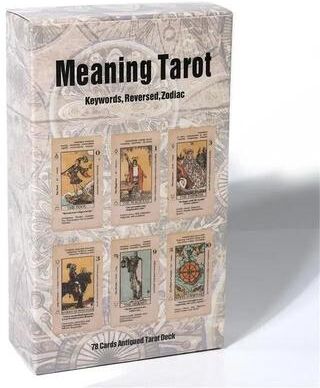
Uplifted Finds Beginner Tarot Deck With Keywords & Meanings Antiqued Learning Tarot 78 Card Set Beginner Tarot Deck With Keywords & Meanings Antiqued Learning Tarot 78 Card SetCommand ultimate spiritual confidence with the Beginner Learning Tarot System, a highperformance metaphysical solution specifically engineered to act as a comprehensive tool for elite organization and superior technical ergonomics. Built with a...44,97 $*Shipping: 0,00 $Secure redirect to the provider
-
GlowBake Advanced Skin Tester, Face Skin Moisture & Oil Content Analyzer Advanced Skin Tester, Face Skin Moisture & Oil Content AnalyzerDiscover your skins true condition with our advanced Skin Tester a compact yet powerful face skin analyzer designed to measure moisture, oil content, skin water, cheek elastic quality, and even estimate skin age in seconds. Ideal for home use or pro...27,97 $*Shipping: 0,00 $Secure redirect to the provider
-
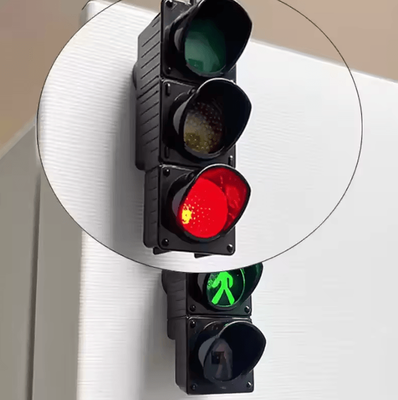
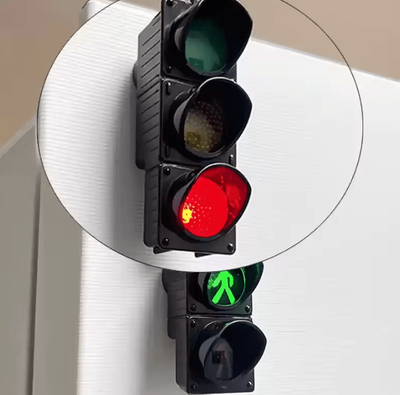
Uplift Picks Traffic Light And Pedestrian Signal Refrigerator Magnet traffic LightGive your space a playful cityinspired accent with this traffic light refrigerator magnet. Designed like a miniature traffic signal or pedestrian light, it brings character to refrigerators, lockers, cabinets, and magnetic whiteboards. The compact...50,00 $*Shipping: 0,00 $Secure redirect to the provider



-
Why do we use commas before "wieso"?
Commas are used before "wieso" in German to indicate a pause in the sentence and to separate the introductory word from the rest of the sentence. This helps to make the sentence clearer and easier to understand for the reader. Additionally, using commas before "wieso" follows the standard punctuation rules in German grammar. **
-
What is the difference between 'wieso' and 'warum'?
"Wieso" and "warum" are both used to ask why, but there is a slight difference in their usage. "Wieso" is more informal and is often used in spoken language, while "warum" is more formal and commonly used in written language. Additionally, "wieso" often implies a sense of surprise or disbelief, while "warum" is more neutral in tone. **
-
What is the difference between "wieso" and "warum"?
"Wieso" and "warum" are both used to ask why, but there is a slight difference in their usage. "Warum" is more formal and is used to ask for the reason or cause behind something. On the other hand, "wieso" is more informal and is often used to express surprise or disbelief, similar to saying "how come" in English. Both words can be used interchangeably in many contexts, but "wieso" may convey a slightly more emotional tone. **
-
What is the difference between the questions "wieso," "weshalb," and "warum"?
"Wieso," "weshalb," and "warum" are all German words that can be translated to "why" in English. However, there are subtle differences in their usage. "Wieso" and "weshalb" are more informal and are often used interchangeably, while "warum" is more formal and is used in written language or in formal speech. Additionally, "wieso" and "weshalb" are often used to ask for reasons or explanations, while "warum" can also be used to ask for the cause or purpose of something. **
What is the difference between the question words "warum," "wieso," "weshalb," and "weswegen"?
All four words, "warum," "wieso," "weshalb," and "weswegen," are used to ask why in German. However, "warum" is the most common and neutral term for asking why. "Wieso" is more informal and is often used in spoken language. "Weshalb" is a bit more formal and is commonly used in written German. "Weswegen" is less common and tends to be used in more formal or literary contexts. **
Is the saying "Wieso, weshalb, warum, wer nicht fragt, bleibt dumm" in English?
Yes, the saying "Wieso, weshalb, warum, wer nicht fragt, bleibt dumm" can be translated to English as "Why, why, why, if you don't ask, you stay dumb." This saying emphasizes the importance of asking questions in order to gain knowledge and understanding. It encourages people to be curious and inquisitive in order to learn and grow. **
Top-Angebote
Products related to Wieso:
-
TP-LINK M7450 Mobile HotspotPortable 4G LTE Advanced mobile hotspot supporting WiFi 5 with 1200 Mbps wireless speeds and 300 Mbps max transfer rate. Compact external device (11.2 x 6.6 x 1.6 cm) featuring 3000 mAh battery providing up to 15 hours of usage, compatible with all major operating systems.128,49 £*Shipping: 0,00 £Secure redirect to the provider
-
TP-LINK M7010 4G LTE Mobile WiFi BlackA portable 4G LTE mobile WiFi hotspot that converts cellular signal into WiFi for up to 10 devices simultaneously. Supporting data speeds up to 300 Mbps on 2.4 GHz single-band, it features a 2000 mAh battery delivering 8 hours of connectivity on a single charge. The compact 50g design includes all necessary cables and accessories for immediate use.69,99 £*Shipping: 0,00 £Secure redirect to the provider
-
Uplifted Finds Beginner Tarot Deck With Keywords & Meanings Antiqued Learning Tarot 78 Card Set Beginner Tarot Deck With Keywords & Meanings Antiqued Learning Tarot 78 Card SetCommand ultimate spiritual confidence with the Beginner Learning Tarot System, a highperformance metaphysical solution specifically engineered to act as a comprehensive tool for elite organization and superior technical ergonomics. Built with a...44,97 $*Shipping: 0,00 $Secure redirect to the provider
-
Why do you use commas before "wieso"?
Commas are used before "wieso" to indicate a pause in the sentence. This helps to separate the introductory word "wieso" from the rest of the sentence, making it clearer for the reader where the question or explanation begins. Additionally, using commas before "wieso" follows the standard punctuation rules in German grammar. **
-
Why do you put commas before "wieso"?
Commas are placed before "wieso" because it is an introductory word that introduces a question or a statement. The comma helps to separate the introductory word from the rest of the sentence, making it easier for the reader to understand the structure of the sentence. Additionally, using a comma before "wieso" helps to indicate a pause in the sentence, emphasizing the question or statement that follows. **
-
Why do we use commas before "wieso"?
Commas are used before "wieso" in German to indicate a pause in the sentence and to separate the introductory word from the rest of the sentence. This helps to make the sentence clearer and easier to understand for the reader. Additionally, using commas before "wieso" follows the standard punctuation rules in German grammar. **
-
What is the difference between 'wieso' and 'warum'?
"Wieso" and "warum" are both used to ask why, but there is a slight difference in their usage. "Wieso" is more informal and is often used in spoken language, while "warum" is more formal and commonly used in written language. Additionally, "wieso" often implies a sense of surprise or disbelief, while "warum" is more neutral in tone. **
Similar search terms for Wieso
-
GlowBake Advanced Skin Tester, Face Skin Moisture & Oil Content Analyzer Advanced Skin Tester, Face Skin Moisture & Oil Content AnalyzerDiscover your skins true condition with our advanced Skin Tester a compact yet powerful face skin analyzer designed to measure moisture, oil content, skin water, cheek elastic quality, and even estimate skin age in seconds. Ideal for home use or pro...27,97 $*Shipping: 0,00 $Secure redirect to the provider
-
Uplift Picks Traffic Light And Pedestrian Signal Refrigerator Magnet traffic LightGive your space a playful cityinspired accent with this traffic light refrigerator magnet. Designed like a miniature traffic signal or pedestrian light, it brings character to refrigerators, lockers, cabinets, and magnetic whiteboards. The compact...50,00 $*Shipping: 0,00 $Secure redirect to the provider
-
Inspire Curations Traffic Light Magnetic Fridge Magnet Decorative Toy traffic LightBring a playful touch to your kitchen or workspace with this traffic light fridge magnet inspired by real pedestrian crossing signals. Designed with colorful traffic light details and a strong magnetic backing, it's a fun decoration that also helps...50,00 $*Shipping: 0,00 $Secure redirect to the provider
-
Inspire Curations Mini Traffic Light Magnetic Refrigerator Magnet Decoration traffic LightBring a playful street scene to your home with this traffic light refrigerator magnet. Designed to resemble a real pedestrian traffic signal, this creative magnet adds personality to refrigerators, lockers, whiteboards, and other magnetic surfaces....50,50 $*Shipping: 0,00 $Secure redirect to the provider
-
What is the difference between "wieso" and "warum"?
"Wieso" and "warum" are both used to ask why, but there is a slight difference in their usage. "Warum" is more formal and is used to ask for the reason or cause behind something. On the other hand, "wieso" is more informal and is often used to express surprise or disbelief, similar to saying "how come" in English. Both words can be used interchangeably in many contexts, but "wieso" may convey a slightly more emotional tone. **
-
What is the difference between the questions "wieso," "weshalb," and "warum"?
"Wieso," "weshalb," and "warum" are all German words that can be translated to "why" in English. However, there are subtle differences in their usage. "Wieso" and "weshalb" are more informal and are often used interchangeably, while "warum" is more formal and is used in written language or in formal speech. Additionally, "wieso" and "weshalb" are often used to ask for reasons or explanations, while "warum" can also be used to ask for the cause or purpose of something. **
-
What is the difference between the question words "warum," "wieso," "weshalb," and "weswegen"?
All four words, "warum," "wieso," "weshalb," and "weswegen," are used to ask why in German. However, "warum" is the most common and neutral term for asking why. "Wieso" is more informal and is often used in spoken language. "Weshalb" is a bit more formal and is commonly used in written German. "Weswegen" is less common and tends to be used in more formal or literary contexts. **
-
Is the saying "Wieso, weshalb, warum, wer nicht fragt, bleibt dumm" in English?
Yes, the saying "Wieso, weshalb, warum, wer nicht fragt, bleibt dumm" can be translated to English as "Why, why, why, if you don't ask, you stay dumb." This saying emphasizes the importance of asking questions in order to gain knowledge and understanding. It encourages people to be curious and inquisitive in order to learn and grow. **
* All prices are inclusive of VAT and, if applicable, plus shipping costs. The offer information is based on the details provided by the respective shop and is updated through automated processes. Real-time updates do not occur, so deviations can occur in individual cases. ** Note: Parts of this content were created by AI.