Buy seopark.eu ?
We are moving the project
seopark.eu .
Are you interested in purchasing the domain
seopark.eu ?
domain@kv-gmbh.de · 0541-91531010
Buy seopark.eu ?
Romantic or Romanesque?
The terms "romantic" and "romanesque" refer to different artistic and architectural styles. "Romantic" typically refers to a style characterized by emotion, imagination, and a focus on nature, while "romanesque" refers to a style of architecture that was prevalent in medieval Europe, characterized by thick walls, rounded arches, and decorative elements. Therefore, the choice between "romantic" or "romanesque" would depend on the specific context or artistic preference being discussed. **
What is Romanesque 2?
Romanesque 2 is a style of architecture that developed in medieval Europe during the 11th and 12th centuries. It is characterized by its use of rounded arches, thick walls, and decorative elements such as sculpted capitals and intricate carvings. Romanesque 2 also features a strong emphasis on symmetry and a sense of grandeur, often seen in the design of churches, castles, and other religious and secular buildings. This architectural style is considered a continuation of the earlier Romanesque style, with some new innovations and regional variations. **

Similar search terms for Romanesque
Top-Angebote
Products related to Romanesque:
-
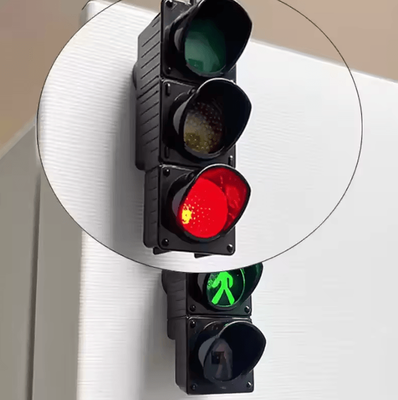
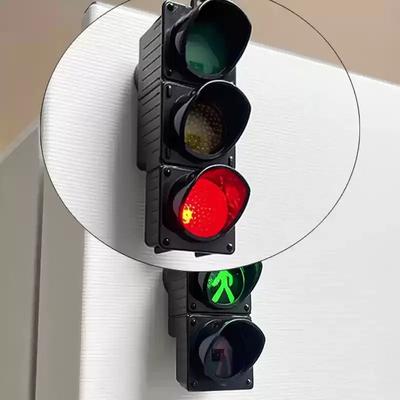
Inspire Curations Traffic Light Magnetic Fridge Magnet Decorative Toy traffic LightBring a playful touch to your kitchen or workspace with this traffic light fridge magnet inspired by real pedestrian crossing signals. Designed with colorful traffic light details and a strong magnetic backing, it's a fun decoration that also helps...50,00 $*Shipping: 0,00 $Secure redirect to the provider
-
Uplifted Finds Traffic Light Magnetic Refrigerator Sticker & Creative Toy traffic LightAdd a playful, urban touch to your kitchen or workspace with our New Traffic Light Magnetic Refrigerator Sticker. Engineered with creative traffic toy styling featuring pedestrian and signal lights, this charming magnetic accessory combines fun...34,97 $*Shipping: 0,00 $Secure redirect to the provider
-
Inspire Curations Mini Traffic Light Magnetic Refrigerator Magnet Decoration traffic LightBring a playful street scene to your home with this traffic light refrigerator magnet. Designed to resemble a real pedestrian traffic signal, this creative magnet adds personality to refrigerators, lockers, whiteboards, and other magnetic surfaces....50,50 $*Shipping: 0,00 $Secure redirect to the provider
-
Uplift Picks Traffic Light And Pedestrian Signal Refrigerator Magnet traffic LightGive your space a playful cityinspired accent with this traffic light refrigerator magnet. Designed like a miniature traffic signal or pedestrian light, it brings character to refrigerators, lockers, cabinets, and magnetic whiteboards. The compact...50,00 $*Shipping: 0,00 $Secure redirect to the provider

-
Who were the architects of Romanesque architecture?
The architects of Romanesque architecture were primarily anonymous master builders and craftsmen who worked on the construction of churches, monasteries, and other religious buildings during the Romanesque period (approximately 1000-1200 AD). These skilled artisans were often members of guilds or religious orders and were responsible for designing and constructing the thick-walled, fortress-like structures characteristic of Romanesque architecture. While specific names of architects are rarely known, their collective work has left a lasting legacy in the form of some of the most iconic buildings of the medieval period. **
-
Who are famous figures of the Romanesque period?
Some famous figures of the Romanesque period include Abbot Suger, who was a key figure in the development of Gothic architecture; Pope Urban II, who called for the First Crusade in 1095; and William the Conqueror, who commissioned the construction of many Romanesque buildings in England, such as the Tower of London. These figures played significant roles in shaping the political, religious, and architectural landscape of the Romanesque period. **
-
Who are famous people of the Romanesque period?
Some famous people of the Romanesque period include Pope Urban II, who called for the First Crusade in 1095, and William the Conqueror, who led the Norman Conquest of England in 1066. Additionally, Hildegarde of Bingen, a German abbess, composer, and mystic, was a prominent figure during this time. Architectural figures such as Abbot Suger, who oversaw the construction of the Abbey Church of St. Denis in France, also made significant contributions to the Romanesque period. **
-
How can Gothic and Romanesque architecture be compared?
Gothic and Romanesque architecture can be compared in several ways. Both styles are characterized by their use of stone construction, thick walls, and large, imposing structures. However, Gothic architecture is known for its pointed arches, ribbed vaults, and flying buttresses, which allow for taller and more open interior spaces. On the other hand, Romanesque architecture is characterized by its rounded arches, barrel vaults, and heavy, fortress-like appearance. Additionally, Gothic architecture is often associated with a more vertical and ethereal aesthetic, while Romanesque architecture tends to have a more solid and grounded feel. **

What is the difference between Romanesque and Gothic?
Romanesque architecture is characterized by thick walls, rounded arches, and small windows, while Gothic architecture features pointed arches, ribbed vaults, and flying buttresses. Romanesque buildings tend to have a more fortress-like appearance, while Gothic buildings are taller and more delicate in appearance. Additionally, Romanesque churches often have a single, massive tower, while Gothic churches typically have multiple towers and spires. Overall, Romanesque architecture is more solid and heavy, while Gothic architecture is more light and airy. **
What are the similarities between Romanesque and Gothic church buildings?
Both Romanesque and Gothic church buildings are characterized by their large size and grandeur, as well as their use of stone construction. They both feature a cruciform floor plan, with a long nave, transept, and apse. Additionally, both styles often include elaborate sculptural decoration, particularly on the doorways and capitals. Finally, both Romanesque and Gothic churches often include stained glass windows, although the style and technique of the glass differ between the two periods. **
Top-Angebote
Products related to Romanesque:
-
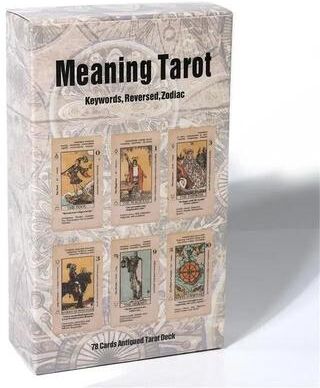
Uplifted Finds Beginner Tarot Deck With Keywords & Meanings Antiqued Learning Tarot 78 Card Set Beginner Tarot Deck With Keywords & Meanings Antiqued Learning Tarot 78 Card SetCommand ultimate spiritual confidence with the Beginner Learning Tarot System, a highperformance metaphysical solution specifically engineered to act as a comprehensive tool for elite organization and superior technical ergonomics. Built with a...44,97 $*Shipping: 0,00 $Secure redirect to the provider
-
GlowBake Advanced Skin Tester, Face Skin Moisture & Oil Content Analyzer Advanced Skin Tester, Face Skin Moisture & Oil Content AnalyzerDiscover your skins true condition with our advanced Skin Tester a compact yet powerful face skin analyzer designed to measure moisture, oil content, skin water, cheek elastic quality, and even estimate skin age in seconds. Ideal for home use or pro...27,97 $*Shipping: 0,00 $Secure redirect to the provider
-
Inspire Curations Traffic Light Magnetic Fridge Magnet Decorative Toy traffic LightBring a playful touch to your kitchen or workspace with this traffic light fridge magnet inspired by real pedestrian crossing signals. Designed with colorful traffic light details and a strong magnetic backing, it's a fun decoration that also helps...50,00 $*Shipping: 0,00 $Secure redirect to the provider
-
Uplifted Finds Traffic Light Magnetic Refrigerator Sticker & Creative Toy traffic LightAdd a playful, urban touch to your kitchen or workspace with our New Traffic Light Magnetic Refrigerator Sticker. Engineered with creative traffic toy styling featuring pedestrian and signal lights, this charming magnetic accessory combines fun...34,97 $*Shipping: 0,00 $Secure redirect to the provider
-
Romantic or Romanesque?
The terms "romantic" and "romanesque" refer to different artistic and architectural styles. "Romantic" typically refers to a style characterized by emotion, imagination, and a focus on nature, while "romanesque" refers to a style of architecture that was prevalent in medieval Europe, characterized by thick walls, rounded arches, and decorative elements. Therefore, the choice between "romantic" or "romanesque" would depend on the specific context or artistic preference being discussed. **
-
What is Romanesque 2?
Romanesque 2 is a style of architecture that developed in medieval Europe during the 11th and 12th centuries. It is characterized by its use of rounded arches, thick walls, and decorative elements such as sculpted capitals and intricate carvings. Romanesque 2 also features a strong emphasis on symmetry and a sense of grandeur, often seen in the design of churches, castles, and other religious and secular buildings. This architectural style is considered a continuation of the earlier Romanesque style, with some new innovations and regional variations. **
-
Who were the architects of Romanesque architecture?
The architects of Romanesque architecture were primarily anonymous master builders and craftsmen who worked on the construction of churches, monasteries, and other religious buildings during the Romanesque period (approximately 1000-1200 AD). These skilled artisans were often members of guilds or religious orders and were responsible for designing and constructing the thick-walled, fortress-like structures characteristic of Romanesque architecture. While specific names of architects are rarely known, their collective work has left a lasting legacy in the form of some of the most iconic buildings of the medieval period. **
-
Who are famous figures of the Romanesque period?
Some famous figures of the Romanesque period include Abbot Suger, who was a key figure in the development of Gothic architecture; Pope Urban II, who called for the First Crusade in 1095; and William the Conqueror, who commissioned the construction of many Romanesque buildings in England, such as the Tower of London. These figures played significant roles in shaping the political, religious, and architectural landscape of the Romanesque period. **
Similar search terms for Romanesque
-
Inspire Curations Mini Traffic Light Magnetic Refrigerator Magnet Decoration traffic LightBring a playful street scene to your home with this traffic light refrigerator magnet. Designed to resemble a real pedestrian traffic signal, this creative magnet adds personality to refrigerators, lockers, whiteboards, and other magnetic surfaces....50,50 $*Shipping: 0,00 $Secure redirect to the provider
-
Uplift Picks Traffic Light And Pedestrian Signal Refrigerator Magnet traffic LightGive your space a playful cityinspired accent with this traffic light refrigerator magnet. Designed like a miniature traffic signal or pedestrian light, it brings character to refrigerators, lockers, cabinets, and magnetic whiteboards. The compact...50,00 $*Shipping: 0,00 $Secure redirect to the provider
-
Inspired Finds Traffic Light Magnetic Refrigerator Sticker For Creative Home Decoration traffic LightAdd a playful urban accent to your space with this traffic light refrigerator magnet, designed to resemble a miniature pedestrian or road signal. Its colorful and recognizable design makes it a fun decorative accessory for kitchens, offices,...35,99 $*Shipping: 0,00 $Secure redirect to the provider
-
Uplifted Finds New Traffic Light Magnetic Refrigerator Sticker & Creative Toy Decoration traffic LightAdd a playful, urban twist to your kitchen with our New Traffic Light Magnetic Refrigerator Sticker. Engineered with creative pedestrian and traffic signal designs, this fun magnetic toy accessory brings vibrant color and personality to your...33,97 $*Shipping: 0,00 $Secure redirect to the provider
-
Who are famous people of the Romanesque period?
Some famous people of the Romanesque period include Pope Urban II, who called for the First Crusade in 1095, and William the Conqueror, who led the Norman Conquest of England in 1066. Additionally, Hildegarde of Bingen, a German abbess, composer, and mystic, was a prominent figure during this time. Architectural figures such as Abbot Suger, who oversaw the construction of the Abbey Church of St. Denis in France, also made significant contributions to the Romanesque period. **
-
How can Gothic and Romanesque architecture be compared?
Gothic and Romanesque architecture can be compared in several ways. Both styles are characterized by their use of stone construction, thick walls, and large, imposing structures. However, Gothic architecture is known for its pointed arches, ribbed vaults, and flying buttresses, which allow for taller and more open interior spaces. On the other hand, Romanesque architecture is characterized by its rounded arches, barrel vaults, and heavy, fortress-like appearance. Additionally, Gothic architecture is often associated with a more vertical and ethereal aesthetic, while Romanesque architecture tends to have a more solid and grounded feel. **
-
What is the difference between Romanesque and Gothic?
Romanesque architecture is characterized by thick walls, rounded arches, and small windows, while Gothic architecture features pointed arches, ribbed vaults, and flying buttresses. Romanesque buildings tend to have a more fortress-like appearance, while Gothic buildings are taller and more delicate in appearance. Additionally, Romanesque churches often have a single, massive tower, while Gothic churches typically have multiple towers and spires. Overall, Romanesque architecture is more solid and heavy, while Gothic architecture is more light and airy. **
-
What are the similarities between Romanesque and Gothic church buildings?
Both Romanesque and Gothic church buildings are characterized by their large size and grandeur, as well as their use of stone construction. They both feature a cruciform floor plan, with a long nave, transept, and apse. Additionally, both styles often include elaborate sculptural decoration, particularly on the doorways and capitals. Finally, both Romanesque and Gothic churches often include stained glass windows, although the style and technique of the glass differ between the two periods. **
* All prices are inclusive of VAT and, if applicable, plus shipping costs. The offer information is based on the details provided by the respective shop and is updated through automated processes. Real-time updates do not occur, so deviations can occur in individual cases. ** Note: Parts of this content were created by AI.