Buy seopark.eu ?
We are moving the project
seopark.eu .
Are you interested in purchasing the domain
seopark.eu ?
domain@kv-gmbh.de · 0541-91531010
Buy seopark.eu ?
How do you calculate probabilities with two probabilities?
To calculate the probability of two independent events occurring, you can use the formula P(A and B) = P(A) * P(B), where P(A) and P(B) are the probabilities of each event occurring. If the events are not independent, you can use the formula P(A and B) = P(A) * P(B|A), where P(B|A) is the probability of event B occurring given that event A has already occurred. If you want to calculate the probability of either event A or event B occurring, you can use the formula P(A or B) = P(A) + P(B) - P(A and B) to account for the overlap between the two events. **
What are probabilities?
Probabilities are numerical measures that quantify the likelihood of a specific event occurring. They range from 0 (indicating impossibility) to 1 (indicating certainty). Probabilities help us make informed decisions by providing a way to assess the likelihood of different outcomes. They are used in various fields such as mathematics, statistics, and science to analyze uncertainty and randomness. **

Similar search terms for Probabilities
Top-Angebote
Products related to Probabilities:
-
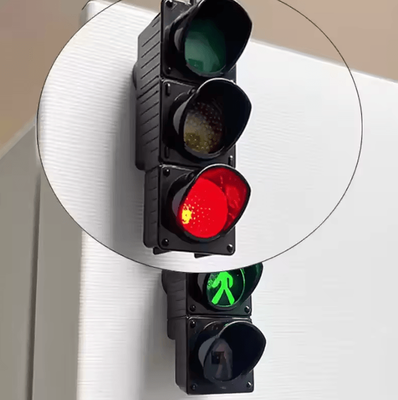
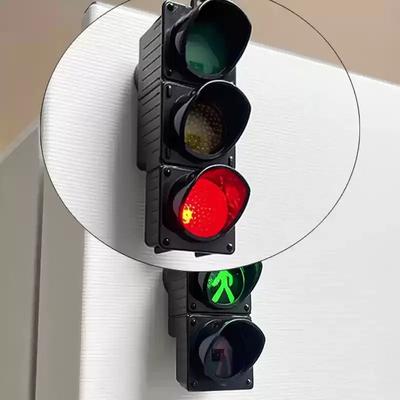
Inspire Curations Traffic Light Magnetic Fridge Magnet Decorative Toy traffic LightBring a playful touch to your kitchen or workspace with this traffic light fridge magnet inspired by real pedestrian crossing signals. Designed with colorful traffic light details and a strong magnetic backing, it's a fun decoration that also helps...50,00 $*Shipping: 0,00 $Secure redirect to the provider
-
Uplifted Finds Traffic Light Magnetic Refrigerator Sticker & Creative Toy traffic LightAdd a playful, urban touch to your kitchen or workspace with our New Traffic Light Magnetic Refrigerator Sticker. Engineered with creative traffic toy styling featuring pedestrian and signal lights, this charming magnetic accessory combines fun...34,97 $*Shipping: 0,00 $Secure redirect to the provider
-
Uplift Picks Traffic Light And Pedestrian Signal Refrigerator Magnet traffic LightGive your space a playful cityinspired accent with this traffic light refrigerator magnet. Designed like a miniature traffic signal or pedestrian light, it brings character to refrigerators, lockers, cabinets, and magnetic whiteboards. The compact...50,00 $*Shipping: 0,00 $Secure redirect to the provider
-
Inspire Curations Mini Traffic Light Magnetic Refrigerator Magnet Decoration traffic LightBring a playful street scene to your home with this traffic light refrigerator magnet. Designed to resemble a real pedestrian traffic signal, this creative magnet adds personality to refrigerators, lockers, whiteboards, and other magnetic surfaces....50,50 $*Shipping: 0,00 $Secure redirect to the provider

-
What are birthday probabilities?
Birthday probabilities refer to the likelihood of two or more people sharing the same birthday in a group. This concept is often used in probability and statistics to demonstrate the counterintuitive nature of probability. The birthday paradox, for example, shows that in a group of just 23 people, there is a greater than 50% chance that two people will share the same birthday. This is due to the large number of possible pairings and the relatively small number of days in a year. **
-
What are probabilities in math?
Probabilities in math represent the likelihood of a specific event occurring. They are typically expressed as a number between 0 and 1, where 0 indicates impossibility and 1 indicates certainty. Probabilities can be calculated using various methods, such as counting outcomes, using formulas like the probability mass function or probability density function, or through simulations. Understanding probabilities is essential in various fields, including statistics, finance, and science, as they help in making informed decisions and predictions based on uncertain outcomes. **
-
How do you calculate probabilities?
Probabilities are calculated by dividing the number of favorable outcomes by the total number of possible outcomes. This can be represented as a fraction, decimal, or percentage. In some cases, probabilities can also be calculated using mathematical formulas or statistical methods. It is important to ensure that all possible outcomes are accounted for when calculating probabilities to obtain an accurate result. **
-
How can probabilities be determined?
Probabilities can be determined by analyzing the likelihood of different outcomes occurring based on available information and data. This can involve using mathematical formulas, statistical analysis, and historical data to calculate the probability of a specific event happening. Probabilities can also be determined through experimentation and observation, where repeated trials can help estimate the likelihood of an event occurring. Additionally, probabilities can be influenced by factors such as randomness, uncertainty, and the presence of variables that may affect the outcome. **

What are probabilities in mathematics?
Probabilities in mathematics represent the likelihood of a specific event occurring. They are typically expressed as a number between 0 and 1, where 0 indicates impossibility and 1 indicates certainty. Probabilities can be calculated using various methods such as counting outcomes, using formulas like the probability mass function or probability density function, or through simulations. Understanding probabilities is essential in fields such as statistics, finance, and science to make informed decisions based on the likelihood of different outcomes. **
How are conditional probabilities calculated?
Conditional probabilities are calculated by dividing the probability of the intersection of two events by the probability of the given condition. This can be expressed as P(A|B) = P(A and B) / P(B), where P(A|B) is the conditional probability of event A given event B has occurred, P(A and B) is the probability of both events A and B occurring, and P(B) is the probability of event B occurring. This formula allows us to calculate the likelihood of one event occurring given that another event has already occurred. **
Top-Angebote
Products related to Probabilities:
-
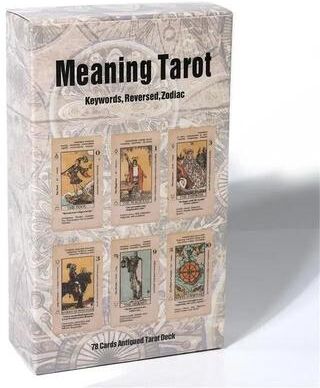
Uplifted Finds Beginner Tarot Deck With Keywords & Meanings Antiqued Learning Tarot 78 Card Set Beginner Tarot Deck With Keywords & Meanings Antiqued Learning Tarot 78 Card SetCommand ultimate spiritual confidence with the Beginner Learning Tarot System, a highperformance metaphysical solution specifically engineered to act as a comprehensive tool for elite organization and superior technical ergonomics. Built with a...44,97 $*Shipping: 0,00 $Secure redirect to the provider
-
GlowBake Advanced Skin Tester, Face Skin Moisture & Oil Content Analyzer Advanced Skin Tester, Face Skin Moisture & Oil Content AnalyzerDiscover your skins true condition with our advanced Skin Tester a compact yet powerful face skin analyzer designed to measure moisture, oil content, skin water, cheek elastic quality, and even estimate skin age in seconds. Ideal for home use or pro...27,97 $*Shipping: 0,00 $Secure redirect to the provider
-
Inspire Curations Traffic Light Magnetic Fridge Magnet Decorative Toy traffic LightBring a playful touch to your kitchen or workspace with this traffic light fridge magnet inspired by real pedestrian crossing signals. Designed with colorful traffic light details and a strong magnetic backing, it's a fun decoration that also helps...50,00 $*Shipping: 0,00 $Secure redirect to the provider
-
Uplifted Finds Traffic Light Magnetic Refrigerator Sticker & Creative Toy traffic LightAdd a playful, urban touch to your kitchen or workspace with our New Traffic Light Magnetic Refrigerator Sticker. Engineered with creative traffic toy styling featuring pedestrian and signal lights, this charming magnetic accessory combines fun...34,97 $*Shipping: 0,00 $Secure redirect to the provider
-
How do you calculate probabilities with two probabilities?
To calculate the probability of two independent events occurring, you can use the formula P(A and B) = P(A) * P(B), where P(A) and P(B) are the probabilities of each event occurring. If the events are not independent, you can use the formula P(A and B) = P(A) * P(B|A), where P(B|A) is the probability of event B occurring given that event A has already occurred. If you want to calculate the probability of either event A or event B occurring, you can use the formula P(A or B) = P(A) + P(B) - P(A and B) to account for the overlap between the two events. **
-
What are probabilities?
Probabilities are numerical measures that quantify the likelihood of a specific event occurring. They range from 0 (indicating impossibility) to 1 (indicating certainty). Probabilities help us make informed decisions by providing a way to assess the likelihood of different outcomes. They are used in various fields such as mathematics, statistics, and science to analyze uncertainty and randomness. **
-
What are birthday probabilities?
Birthday probabilities refer to the likelihood of two or more people sharing the same birthday in a group. This concept is often used in probability and statistics to demonstrate the counterintuitive nature of probability. The birthday paradox, for example, shows that in a group of just 23 people, there is a greater than 50% chance that two people will share the same birthday. This is due to the large number of possible pairings and the relatively small number of days in a year. **
-
What are probabilities in math?
Probabilities in math represent the likelihood of a specific event occurring. They are typically expressed as a number between 0 and 1, where 0 indicates impossibility and 1 indicates certainty. Probabilities can be calculated using various methods, such as counting outcomes, using formulas like the probability mass function or probability density function, or through simulations. Understanding probabilities is essential in various fields, including statistics, finance, and science, as they help in making informed decisions and predictions based on uncertain outcomes. **
Similar search terms for Probabilities
-
Uplift Picks Traffic Light And Pedestrian Signal Refrigerator Magnet traffic LightGive your space a playful cityinspired accent with this traffic light refrigerator magnet. Designed like a miniature traffic signal or pedestrian light, it brings character to refrigerators, lockers, cabinets, and magnetic whiteboards. The compact...50,00 $*Shipping: 0,00 $Secure redirect to the provider
-
Inspire Curations Mini Traffic Light Magnetic Refrigerator Magnet Decoration traffic LightBring a playful street scene to your home with this traffic light refrigerator magnet. Designed to resemble a real pedestrian traffic signal, this creative magnet adds personality to refrigerators, lockers, whiteboards, and other magnetic surfaces....50,50 $*Shipping: 0,00 $Secure redirect to the provider
-
Uplifted Finds New Traffic Light Magnetic Refrigerator Sticker & Creative Toy Decoration traffic LightAdd a playful, urban twist to your kitchen with our New Traffic Light Magnetic Refrigerator Sticker. Engineered with creative pedestrian and traffic signal designs, this fun magnetic toy accessory brings vibrant color and personality to your...33,97 $*Shipping: 0,00 $Secure redirect to the provider
-
Inspired Finds Traffic Light Magnetic Refrigerator Sticker For Creative Home Decoration traffic LightAdd a playful urban accent to your space with this traffic light refrigerator magnet, designed to resemble a miniature pedestrian or road signal. Its colorful and recognizable design makes it a fun decorative accessory for kitchens, offices,...35,99 $*Shipping: 0,00 $Secure redirect to the provider
-
How do you calculate probabilities?
Probabilities are calculated by dividing the number of favorable outcomes by the total number of possible outcomes. This can be represented as a fraction, decimal, or percentage. In some cases, probabilities can also be calculated using mathematical formulas or statistical methods. It is important to ensure that all possible outcomes are accounted for when calculating probabilities to obtain an accurate result. **
-
How can probabilities be determined?
Probabilities can be determined by analyzing the likelihood of different outcomes occurring based on available information and data. This can involve using mathematical formulas, statistical analysis, and historical data to calculate the probability of a specific event happening. Probabilities can also be determined through experimentation and observation, where repeated trials can help estimate the likelihood of an event occurring. Additionally, probabilities can be influenced by factors such as randomness, uncertainty, and the presence of variables that may affect the outcome. **
-
What are probabilities in mathematics?
Probabilities in mathematics represent the likelihood of a specific event occurring. They are typically expressed as a number between 0 and 1, where 0 indicates impossibility and 1 indicates certainty. Probabilities can be calculated using various methods such as counting outcomes, using formulas like the probability mass function or probability density function, or through simulations. Understanding probabilities is essential in fields such as statistics, finance, and science to make informed decisions based on the likelihood of different outcomes. **
-
How are conditional probabilities calculated?
Conditional probabilities are calculated by dividing the probability of the intersection of two events by the probability of the given condition. This can be expressed as P(A|B) = P(A and B) / P(B), where P(A|B) is the conditional probability of event A given event B has occurred, P(A and B) is the probability of both events A and B occurring, and P(B) is the probability of event B occurring. This formula allows us to calculate the likelihood of one event occurring given that another event has already occurred. **
* All prices are inclusive of VAT and, if applicable, plus shipping costs. The offer information is based on the details provided by the respective shop and is updated through automated processes. Real-time updates do not occur, so deviations can occur in individual cases. ** Note: Parts of this content were created by AI.