Buy seopark.eu ?
We are moving the project
seopark.eu .
Are you interested in purchasing the domain
seopark.eu ?
domain@kv-gmbh.de · 0541-91531010
Buy seopark.eu ?
Why is the acetone molecule a dipole molecule?
The acetone molecule is a dipole molecule because it has a region of partial positive charge and a region of partial negative charge. This is due to the difference in electronegativity between the carbon and oxygen atoms in the molecule. The oxygen atom is more electronegative than the carbon atom, causing it to attract the shared electrons more strongly and acquire a partial negative charge, while the carbon atom becomes partially positive. This unequal distribution of charge creates a dipole moment in the acetone molecule, making it a dipole molecule. **
Is octane a dipole molecule or a nonpolar molecule?
Octane is a nonpolar molecule. This is because it consists of only carbon and hydrogen atoms, which have similar electronegativities and therefore do not create a significant difference in charge distribution within the molecule. As a result, there is no separation of positive and negative charges, making it nonpolar. **

Similar search terms for Molecule
Top-Angebote
Products related to Molecule:
-
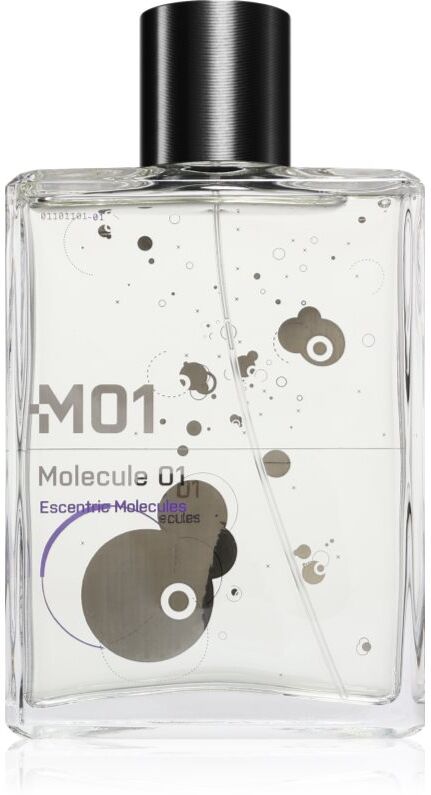
Escentric Molecules Molecule 01 EDT U 100 mlEscentric Molecules Molecule 01, 100 ml, Eaux de Toilette unisex, For everyone, no matter who you are. Escentric Molecules Molecule 01 unisex Eau de Toilette is fantastic for both women and men and will let your individuality shine through. woody fragrance musk fragrance suitable for everyday wear unisex – suitable for both women and men98,88 £*Shipping: 3,99 £Secure redirect to the provider
-
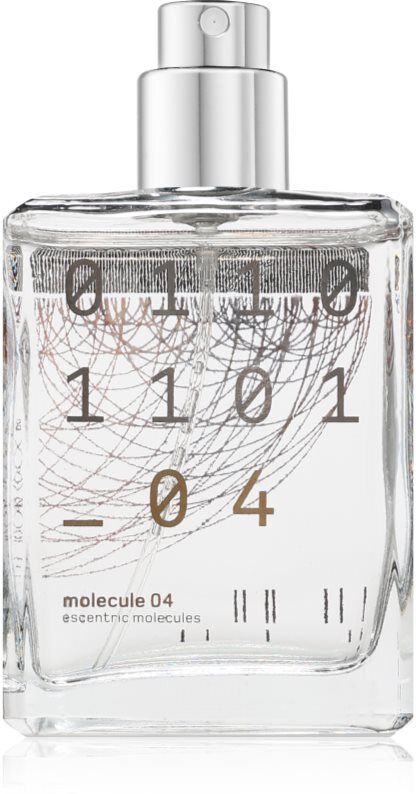
Escentric Molecules Molecule 04 EDT U 30 mlEscentric Molecules Molecule 04, 30 ml, Eaux de Toilette unisex, Discover a fragrance that doesn’t neatly fit into a box and instead brings out your individuality. Escentric Molecules Molecule 04 unisex Eau de Toilette is the right choice when you want to show off your uniqueness. woody fragrance suitable for everyday wear unisex – suitable for both women and men66,30 £*Shipping: 3,99 £Secure redirect to the provider
-
Escentric Molecules Molecule 01 EDT U + Case 30 mlEscentric Molecules Molecule 01, 30 ml, Eaux de Toilette unisex, For everyone, no matter who you are. Escentric Molecules Molecule 01 unisex Eau de Toilette is fantastic for both women and men and will let your individuality shine through. woody fragrance musk fragrance suitable for everyday wear unisex – suitable for both women and men66,30 £*Shipping: 3,99 £Secure redirect to the provider
-
TP-LINK M7450 Mobile HotspotPortable 4G LTE Advanced mobile hotspot supporting WiFi 5 with 1200 Mbps wireless speeds and 300 Mbps max transfer rate. Compact external device (11.2 x 6.6 x 1.6 cm) featuring 3000 mAh battery providing up to 15 hours of usage, compatible with all major operating systems.128,49 £*Shipping: 0,00 £Secure redirect to the provider



-
How does a hydrocarbon molecule react with an oxygen molecule?
When a hydrocarbon molecule reacts with an oxygen molecule, it undergoes a process called combustion. During combustion, the hydrocarbon molecule combines with the oxygen molecule to produce carbon dioxide and water, releasing energy in the form of heat and light. This reaction is exothermic, meaning it releases more energy than it consumes, making it a key process in many natural and industrial processes, such as burning fossil fuels for energy production. **
-
Can someone explain to me how a sucrose molecule or a maltose molecule can form from their respective building blocks?
Sure! Both sucrose and maltose are formed through a condensation reaction, which is a type of chemical reaction where two molecules combine to form a larger molecule, with the loss of a smaller molecule such as water. In the case of sucrose, it is formed from the condensation of a glucose molecule and a fructose molecule. The hydroxyl group (-OH) from the glucose molecule and the hydrogen atom (-H) from the fructose molecule combine to form a water molecule, while the remaining oxygen atoms from both molecules form a covalent bond, resulting in the formation of sucrose. Similarly, maltose is formed from the condensation of two glucose molecules. The hydroxyl group from one glucose molecule and the hydrogen atom from the other glucose molecule combine to form a water molecule, while the remaining oxygen atoms from both molecules form a covalent bond, resulting in the formation of maltose. **
-
What is a molecule?
A molecule is a group of atoms bonded together, representing the smallest fundamental unit of a chemical compound that can take part in a chemical reaction. These atoms can be of the same element or different elements, and they are held together by chemical bonds. Molecules can vary in size and complexity, from simple diatomic molecules like oxygen (O2) to large and complex molecules like DNA. **
-
Ionic bond or molecule?
An ionic bond is formed when one atom transfers electrons to another atom, resulting in the formation of positively and negatively charged ions that are held together by electrostatic forces. On the other hand, a molecule is formed when two or more atoms share electrons to achieve a stable electron configuration. Therefore, the main difference between an ionic bond and a molecule is the way in which atoms are held together - through transfer of electrons in an ionic bond, and through sharing of electrons in a molecule. **


Is the building block model the same as the molecule model?
No, the building block model and the molecule model are not the same. The building block model refers to the idea that all matter is made up of small, indivisible particles called atoms. These atoms combine to form molecules, which are the smallest units of a compound that still retain the properties of that compound. The molecule model, on the other hand, specifically focuses on the structure and behavior of molecules, including their composition, arrangement of atoms, and chemical bonds. While the building block model provides the foundation for understanding the composition of matter, the molecule model delves deeper into the specific characteristics and interactions of molecules. **
How can one recognize if a molecule is a dipole-dipole molecule?
One can recognize if a molecule is a dipole-dipole molecule by examining the electronegativity difference between the atoms in the molecule. If there is a significant difference in electronegativity between the atoms, causing an uneven distribution of electron density, the molecule is likely a dipole. Additionally, if the molecule has a symmetrical shape that cancels out the dipole moments of individual bonds, it is less likely to be a dipole-dipole molecule. Experimentally, dipole-dipole interactions can be identified through techniques such as infrared spectroscopy or measuring the molecule's dipole moment. **
Top-Angebote
Products related to Molecule:
-
Escentric Molecules Molecule 01 EDT U 200 mlEscentric Molecules Molecule 01, 200 ml, Eaux de Toilette unisex, For everyone, no matter who you are. Escentric Molecules Molecule 01 unisex Eau de Toilette is fantastic for both women and men and will let your individuality shine through. woody fragrance musk fragrance suitable for everyday wear unisex – suitable for both women and men183,60 £*Shipping: 3,99 £Secure redirect to the provider
-
Escentric Molecules Molecule 03 EDT U 100 mlEscentric Molecules Molecule 03, 100 ml, Eaux de Toilette unisex, The power of this fragrance lies in the fact that it’s perfect for both women and men. It smells different on every person and brings out your uniqueness. Escentric Molecules Molecule 03 unisex Eau de Toilette will have a proud spot on your vanity – plus you can share it with your partner. aromatic fragrance with herbal notes suitable for everyday wear unisex – suitable for both women and men76,08 £*Shipping: 3,99 £Secure redirect to the provider
-
Escentric Molecules Molecule 01 EDT U 100 mlEscentric Molecules Molecule 01, 100 ml, Eaux de Toilette unisex, For everyone, no matter who you are. Escentric Molecules Molecule 01 unisex Eau de Toilette is fantastic for both women and men and will let your individuality shine through. woody fragrance musk fragrance suitable for everyday wear unisex – suitable for both women and men98,88 £*Shipping: 3,99 £Secure redirect to the provider
-
Escentric Molecules Molecule 04 EDT U 30 mlEscentric Molecules Molecule 04, 30 ml, Eaux de Toilette unisex, Discover a fragrance that doesn’t neatly fit into a box and instead brings out your individuality. Escentric Molecules Molecule 04 unisex Eau de Toilette is the right choice when you want to show off your uniqueness. woody fragrance suitable for everyday wear unisex – suitable for both women and men66,30 £*Shipping: 3,99 £Secure redirect to the provider
-
Why is the acetone molecule a dipole molecule?
The acetone molecule is a dipole molecule because it has a region of partial positive charge and a region of partial negative charge. This is due to the difference in electronegativity between the carbon and oxygen atoms in the molecule. The oxygen atom is more electronegative than the carbon atom, causing it to attract the shared electrons more strongly and acquire a partial negative charge, while the carbon atom becomes partially positive. This unequal distribution of charge creates a dipole moment in the acetone molecule, making it a dipole molecule. **
-
Is octane a dipole molecule or a nonpolar molecule?
Octane is a nonpolar molecule. This is because it consists of only carbon and hydrogen atoms, which have similar electronegativities and therefore do not create a significant difference in charge distribution within the molecule. As a result, there is no separation of positive and negative charges, making it nonpolar. **
-
How does a hydrocarbon molecule react with an oxygen molecule?
When a hydrocarbon molecule reacts with an oxygen molecule, it undergoes a process called combustion. During combustion, the hydrocarbon molecule combines with the oxygen molecule to produce carbon dioxide and water, releasing energy in the form of heat and light. This reaction is exothermic, meaning it releases more energy than it consumes, making it a key process in many natural and industrial processes, such as burning fossil fuels for energy production. **
-
Can someone explain to me how a sucrose molecule or a maltose molecule can form from their respective building blocks?
Sure! Both sucrose and maltose are formed through a condensation reaction, which is a type of chemical reaction where two molecules combine to form a larger molecule, with the loss of a smaller molecule such as water. In the case of sucrose, it is formed from the condensation of a glucose molecule and a fructose molecule. The hydroxyl group (-OH) from the glucose molecule and the hydrogen atom (-H) from the fructose molecule combine to form a water molecule, while the remaining oxygen atoms from both molecules form a covalent bond, resulting in the formation of sucrose. Similarly, maltose is formed from the condensation of two glucose molecules. The hydroxyl group from one glucose molecule and the hydrogen atom from the other glucose molecule combine to form a water molecule, while the remaining oxygen atoms from both molecules form a covalent bond, resulting in the formation of maltose. **
Similar search terms for Molecule
-
Escentric Molecules Molecule 01 EDT U + Case 30 mlEscentric Molecules Molecule 01, 30 ml, Eaux de Toilette unisex, For everyone, no matter who you are. Escentric Molecules Molecule 01 unisex Eau de Toilette is fantastic for both women and men and will let your individuality shine through. woody fragrance musk fragrance suitable for everyday wear unisex – suitable for both women and men66,30 £*Shipping: 3,99 £Secure redirect to the provider
-
TP-LINK M7450 Mobile HotspotPortable 4G LTE Advanced mobile hotspot supporting WiFi 5 with 1200 Mbps wireless speeds and 300 Mbps max transfer rate. Compact external device (11.2 x 6.6 x 1.6 cm) featuring 3000 mAh battery providing up to 15 hours of usage, compatible with all major operating systems.128,49 £*Shipping: 0,00 £Secure redirect to the provider
-
TP-LINK M7010 4G LTE Mobile WiFi BlackA portable 4G LTE mobile WiFi hotspot that converts cellular signal into WiFi for up to 10 devices simultaneously. Supporting data speeds up to 300 Mbps on 2.4 GHz single-band, it features a 2000 mAh battery delivering 8 hours of connectivity on a single charge. The compact 50g design includes all necessary cables and accessories for immediate use.69,99 £*Shipping: 0,00 £Secure redirect to the provider
-
What is a molecule?
A molecule is a group of atoms bonded together, representing the smallest fundamental unit of a chemical compound that can take part in a chemical reaction. These atoms can be of the same element or different elements, and they are held together by chemical bonds. Molecules can vary in size and complexity, from simple diatomic molecules like oxygen (O2) to large and complex molecules like DNA. **
-
Ionic bond or molecule?
An ionic bond is formed when one atom transfers electrons to another atom, resulting in the formation of positively and negatively charged ions that are held together by electrostatic forces. On the other hand, a molecule is formed when two or more atoms share electrons to achieve a stable electron configuration. Therefore, the main difference between an ionic bond and a molecule is the way in which atoms are held together - through transfer of electrons in an ionic bond, and through sharing of electrons in a molecule. **
-
Is the building block model the same as the molecule model?
No, the building block model and the molecule model are not the same. The building block model refers to the idea that all matter is made up of small, indivisible particles called atoms. These atoms combine to form molecules, which are the smallest units of a compound that still retain the properties of that compound. The molecule model, on the other hand, specifically focuses on the structure and behavior of molecules, including their composition, arrangement of atoms, and chemical bonds. While the building block model provides the foundation for understanding the composition of matter, the molecule model delves deeper into the specific characteristics and interactions of molecules. **
-
How can one recognize if a molecule is a dipole-dipole molecule?
One can recognize if a molecule is a dipole-dipole molecule by examining the electronegativity difference between the atoms in the molecule. If there is a significant difference in electronegativity between the atoms, causing an uneven distribution of electron density, the molecule is likely a dipole. Additionally, if the molecule has a symmetrical shape that cancels out the dipole moments of individual bonds, it is less likely to be a dipole-dipole molecule. Experimentally, dipole-dipole interactions can be identified through techniques such as infrared spectroscopy or measuring the molecule's dipole moment. **
* All prices are inclusive of VAT and, if applicable, plus shipping costs. The offer information is based on the details provided by the respective shop and is updated through automated processes. Real-time updates do not occur, so deviations can occur in individual cases. ** Note: Parts of this content were created by AI.