Buy seopark.eu ?
We are moving the project
seopark.eu .
Are you interested in purchasing the domain
seopark.eu ?
domain@kv-gmbh.de · 0541-91531010
Buy seopark.eu ?
How do I calculate the angle of incidence?
To calculate the angle of incidence, you need to know the angle at which a ray of light or other electromagnetic wave strikes a surface. This angle is measured between the incident ray and the normal (perpendicular line) to the surface at the point of incidence. You can calculate the angle of incidence using the formula: angle of incidence = angle between incident ray and normal. This angle is typically measured in degrees. **
How can the angle of incidence be calculated?
The angle of incidence can be calculated using the formula: angle of incidence = arctan(opposite/adjacent). This formula involves using the arctan function to find the angle whose tangent is equal to the ratio of the length of the side opposite the angle to the length of the side adjacent to the angle. This can be done using a scientific calculator or by using trigonometric tables. Alternatively, if the lengths of the sides of the triangle are known, the angle of incidence can be calculated using the inverse trigonometric functions such as arcsin, arccos, or arctan. **


Similar search terms for Incidence
Top-Angebote
Products related to Incidence:
-
TP-LINK M7010 4G LTE Mobile WiFi BlackA portable 4G LTE mobile WiFi hotspot that converts cellular signal into WiFi for up to 10 devices simultaneously. Supporting data speeds up to 300 Mbps on 2.4 GHz single-band, it features a 2000 mAh battery delivering 8 hours of connectivity on a single charge. The compact 50g design includes all necessary cables and accessories for immediate use.69,99 £*Shipping: 0,00 £Secure redirect to the provider
-
Uplifted Finds Beginner Tarot Deck With Keywords & Meanings Antiqued Learning Tarot 78 Card Set Beginner Tarot Deck With Keywords & Meanings Antiqued Learning Tarot 78 Card SetCommand ultimate spiritual confidence with the Beginner Learning Tarot System, a highperformance metaphysical solution specifically engineered to act as a comprehensive tool for elite organization and superior technical ergonomics. Built with a...44,97 $*Shipping: 0,00 $Secure redirect to the provider
-
GlowBake Advanced Skin Tester, Face Skin Moisture & Oil Content Analyzer Advanced Skin Tester, Face Skin Moisture & Oil Content AnalyzerDiscover your skins true condition with our advanced Skin Tester a compact yet powerful face skin analyzer designed to measure moisture, oil content, skin water, cheek elastic quality, and even estimate skin age in seconds. Ideal for home use or pro...27,97 $*Shipping: 0,00 $Secure redirect to the provider
-
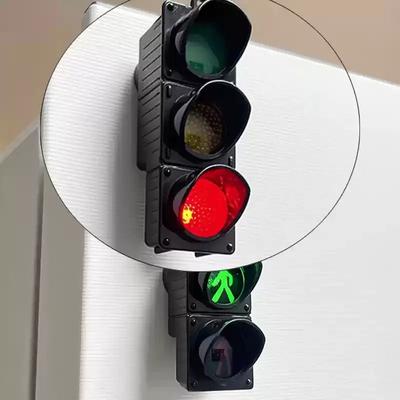
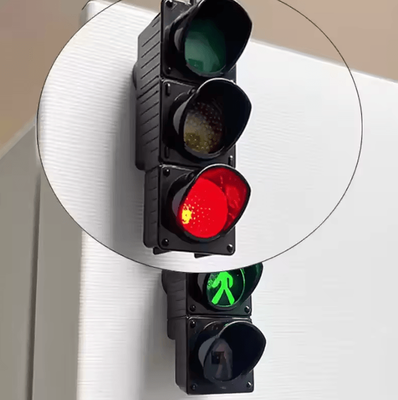
Uplift Picks Traffic Light And Pedestrian Signal Refrigerator Magnet traffic LightGive your space a playful cityinspired accent with this traffic light refrigerator magnet. Designed like a miniature traffic signal or pedestrian light, it brings character to refrigerators, lockers, cabinets, and magnetic whiteboards. The compact...50,00 $*Shipping: 0,00 $Secure redirect to the provider




-
At what incidence rate do the schools close?
The schools close when the incidence rate of COVID-19 in the community reaches a certain threshold, which is determined by local health authorities and government regulations. This threshold can vary depending on the region and the specific guidelines in place. Generally, schools may close when the incidence rate rises to a level that is considered to pose a significant risk to the health and safety of students, staff, and the community. It is important for schools to closely monitor the incidence rate and follow the guidance of public health officials to make informed decisions about when to close. **
-
How do you calculate the angle of incidence?
The angle of incidence is calculated by measuring the angle between the incident ray (the incoming light ray) and the normal (a line perpendicular to the surface at the point of incidence). This angle is typically measured in degrees using a protractor or other measuring tool. The angle of incidence is an important parameter in understanding how light interacts with surfaces, such as in the laws of reflection and refraction. **
-
What is the angle of incidence of the sun?
The angle of incidence of the sun refers to the angle at which sunlight strikes the Earth's surface. This angle varies depending on the time of day, location, and season. At solar noon, when the sun is at its highest point in the sky, the angle of incidence is 90 degrees, resulting in the most direct and intense sunlight. As the sun moves lower in the sky during sunrise and sunset, the angle of incidence decreases, leading to longer shadows and less intense sunlight. **
-
What is the relationship between temperatures and angle of incidence?
The relationship between temperatures and angle of incidence is that temperatures tend to be higher when the angle of incidence is more direct. This is because when sunlight hits the Earth's surface at a steeper angle, the energy is concentrated over a smaller area, leading to higher temperatures. On the other hand, when sunlight hits at a more shallow angle, the energy is spread out over a larger area, resulting in lower temperatures. Therefore, the angle of incidence plays a significant role in determining the temperature of a particular location. **
What is the angle of incidence of the sun's rays?
The angle of incidence of the sun's rays is the angle at which the sun's rays strike a surface. It is measured as the angle between the incoming rays of sunlight and a line perpendicular to the surface. The angle of incidence affects the amount of solar energy that is absorbed by the surface, with a higher angle of incidence resulting in more energy being absorbed. This angle changes throughout the day as the position of the sun in the sky changes. **
What does the angle of incidence of the sun mean?
The angle of incidence of the sun refers to the angle at which the sun's rays strike a surface. This angle is measured between the incoming sunlight and a line perpendicular to the surface. The angle of incidence affects the intensity of the sunlight and the amount of energy that is absorbed by the surface. A higher angle of incidence results in more concentrated sunlight, while a lower angle of incidence spreads the sunlight over a larger area. This concept is important in various fields, including solar energy, architecture, and photography. **
Top-Angebote
Products related to Incidence:
-
TP-LINK M7450 Mobile HotspotPortable 4G LTE Advanced mobile hotspot supporting WiFi 5 with 1200 Mbps wireless speeds and 300 Mbps max transfer rate. Compact external device (11.2 x 6.6 x 1.6 cm) featuring 3000 mAh battery providing up to 15 hours of usage, compatible with all major operating systems.128,49 £*Shipping: 0,00 £Secure redirect to the provider
-
TP-LINK M7010 4G LTE Mobile WiFi BlackA portable 4G LTE mobile WiFi hotspot that converts cellular signal into WiFi for up to 10 devices simultaneously. Supporting data speeds up to 300 Mbps on 2.4 GHz single-band, it features a 2000 mAh battery delivering 8 hours of connectivity on a single charge. The compact 50g design includes all necessary cables and accessories for immediate use.69,99 £*Shipping: 0,00 £Secure redirect to the provider
-
Uplifted Finds Beginner Tarot Deck With Keywords & Meanings Antiqued Learning Tarot 78 Card Set Beginner Tarot Deck With Keywords & Meanings Antiqued Learning Tarot 78 Card SetCommand ultimate spiritual confidence with the Beginner Learning Tarot System, a highperformance metaphysical solution specifically engineered to act as a comprehensive tool for elite organization and superior technical ergonomics. Built with a...44,97 $*Shipping: 0,00 $Secure redirect to the provider
-
How do I calculate the angle of incidence?
To calculate the angle of incidence, you need to know the angle at which a ray of light or other electromagnetic wave strikes a surface. This angle is measured between the incident ray and the normal (perpendicular line) to the surface at the point of incidence. You can calculate the angle of incidence using the formula: angle of incidence = angle between incident ray and normal. This angle is typically measured in degrees. **
-
How can the angle of incidence be calculated?
The angle of incidence can be calculated using the formula: angle of incidence = arctan(opposite/adjacent). This formula involves using the arctan function to find the angle whose tangent is equal to the ratio of the length of the side opposite the angle to the length of the side adjacent to the angle. This can be done using a scientific calculator or by using trigonometric tables. Alternatively, if the lengths of the sides of the triangle are known, the angle of incidence can be calculated using the inverse trigonometric functions such as arcsin, arccos, or arctan. **
-
At what incidence rate do the schools close?
The schools close when the incidence rate of COVID-19 in the community reaches a certain threshold, which is determined by local health authorities and government regulations. This threshold can vary depending on the region and the specific guidelines in place. Generally, schools may close when the incidence rate rises to a level that is considered to pose a significant risk to the health and safety of students, staff, and the community. It is important for schools to closely monitor the incidence rate and follow the guidance of public health officials to make informed decisions about when to close. **
-
How do you calculate the angle of incidence?
The angle of incidence is calculated by measuring the angle between the incident ray (the incoming light ray) and the normal (a line perpendicular to the surface at the point of incidence). This angle is typically measured in degrees using a protractor or other measuring tool. The angle of incidence is an important parameter in understanding how light interacts with surfaces, such as in the laws of reflection and refraction. **
Similar search terms for Incidence
-
GlowBake Advanced Skin Tester, Face Skin Moisture & Oil Content Analyzer Advanced Skin Tester, Face Skin Moisture & Oil Content AnalyzerDiscover your skins true condition with our advanced Skin Tester a compact yet powerful face skin analyzer designed to measure moisture, oil content, skin water, cheek elastic quality, and even estimate skin age in seconds. Ideal for home use or pro...27,97 $*Shipping: 0,00 $Secure redirect to the provider
-
Uplift Picks Traffic Light And Pedestrian Signal Refrigerator Magnet traffic LightGive your space a playful cityinspired accent with this traffic light refrigerator magnet. Designed like a miniature traffic signal or pedestrian light, it brings character to refrigerators, lockers, cabinets, and magnetic whiteboards. The compact...50,00 $*Shipping: 0,00 $Secure redirect to the provider
-
Uplifted Finds Traffic Light Magnetic Refrigerator Sticker & Creative Toy traffic LightAdd a playful, urban touch to your kitchen or workspace with our New Traffic Light Magnetic Refrigerator Sticker. Engineered with creative traffic toy styling featuring pedestrian and signal lights, this charming magnetic accessory combines fun...34,97 $*Shipping: 0,00 $Secure redirect to the provider
-
Inspire Curations Traffic Light Magnetic Fridge Magnet Decorative Toy traffic LightBring a playful touch to your kitchen or workspace with this traffic light fridge magnet inspired by real pedestrian crossing signals. Designed with colorful traffic light details and a strong magnetic backing, it's a fun decoration that also helps...50,00 $*Shipping: 0,00 $Secure redirect to the provider
-
What is the angle of incidence of the sun?
The angle of incidence of the sun refers to the angle at which sunlight strikes the Earth's surface. This angle varies depending on the time of day, location, and season. At solar noon, when the sun is at its highest point in the sky, the angle of incidence is 90 degrees, resulting in the most direct and intense sunlight. As the sun moves lower in the sky during sunrise and sunset, the angle of incidence decreases, leading to longer shadows and less intense sunlight. **
-
What is the relationship between temperatures and angle of incidence?
The relationship between temperatures and angle of incidence is that temperatures tend to be higher when the angle of incidence is more direct. This is because when sunlight hits the Earth's surface at a steeper angle, the energy is concentrated over a smaller area, leading to higher temperatures. On the other hand, when sunlight hits at a more shallow angle, the energy is spread out over a larger area, resulting in lower temperatures. Therefore, the angle of incidence plays a significant role in determining the temperature of a particular location. **
-
What is the angle of incidence of the sun's rays?
The angle of incidence of the sun's rays is the angle at which the sun's rays strike a surface. It is measured as the angle between the incoming rays of sunlight and a line perpendicular to the surface. The angle of incidence affects the amount of solar energy that is absorbed by the surface, with a higher angle of incidence resulting in more energy being absorbed. This angle changes throughout the day as the position of the sun in the sky changes. **
-
What does the angle of incidence of the sun mean?
The angle of incidence of the sun refers to the angle at which the sun's rays strike a surface. This angle is measured between the incoming sunlight and a line perpendicular to the surface. The angle of incidence affects the intensity of the sunlight and the amount of energy that is absorbed by the surface. A higher angle of incidence results in more concentrated sunlight, while a lower angle of incidence spreads the sunlight over a larger area. This concept is important in various fields, including solar energy, architecture, and photography. **
* All prices are inclusive of VAT and, if applicable, plus shipping costs. The offer information is based on the details provided by the respective shop and is updated through automated processes. Real-time updates do not occur, so deviations can occur in individual cases. ** Note: Parts of this content were created by AI.