Buy seopark.eu ?
We are moving the project
seopark.eu .
Are you interested in purchasing the domain
seopark.eu ?
domain@kv-gmbh.de · 0541-91531010
Buy seopark.eu ?
Which radiator heats better: a flat panel radiator or a ribbed radiator?
A ribbed radiator typically heats better than a flat panel radiator. The ribbed design increases the surface area of the radiator, allowing for more efficient heat transfer. This means that a ribbed radiator can heat a room more quickly and effectively than a flat panel radiator. Additionally, the ribbed design allows for better circulation of air, further enhancing its heating capabilities. **
Is a 420mm radiator stronger than a 480mm radiator?
In general, the size of a radiator does not necessarily determine its strength. The strength of a radiator is typically determined by factors such as the material it is made of, the design of the fins and tubes, and the quality of the pump. Therefore, a 420mm radiator may not necessarily be stronger than a 480mm radiator. It is important to consider the specific specifications and performance metrics of each radiator to determine which one is stronger for your particular cooling needs. **

Similar search terms for ESEN-SKV-24SKV389-Radiator
Top-Angebote
Products related to ESEN-SKV-24SKV389-Radiator:
-
ESEN SKV 24SKV264 Radiator hoseWeight [kg]: 0,16; Cooling Hose: from radiator to water pipe; Cooling Hose: from engine to engine cooler, from coolant regulator housing to auxiliary water pump; Guarantee: 3 years guarantee; Always compare old and new part (in particular OE No.):7,99 £*Shipping: 8,45 £Secure redirect to the provider
-
ESEN SKV 54SKV892 Radiator hoseOuter Diameter 1 [mm]: 30; Weight [kg]: 0,08; Material: EPDM (ethylene propylene diene Monomer (M-class) rubber); Inner Diameter [mm]: 17; Outer Diameter [mm]: 23; Length [mm]: 210; Inner Diameter 1 [mm]: 24; Always compare old and new part (in particular OE No.):7,99 £*Shipping: 8,45 £Secure redirect to the provider


-
How can one repair a radiator with a radiator sealant?
To repair a radiator with a radiator sealant, first, ensure the engine is cool and the radiator is not under pressure. Then, locate the radiator cap and pour the sealant directly into the radiator. After adding the sealant, start the engine and let it run for about 15-20 minutes to allow the sealant to circulate and seal any leaks. Finally, check for any remaining leaks and top up the coolant if necessary. **
-
How do I remove the radiator from the radiator grille?
To remove the radiator from the radiator grille, you will first need to locate and remove any screws or bolts that are holding the radiator in place. Once these are removed, carefully disconnect any hoses or electrical connections attached to the radiator. Then, gently lift the radiator out of the grille, being careful not to damage any surrounding components. It's important to follow the specific instructions for your vehicle, as the process may vary depending on the make and model. If you're unsure, it's best to consult a professional mechanic or refer to the vehicle's manual for guidance. **
-
What is your urgent question about PC building and radiator fans?
My urgent question about PC building and radiator fans is: "What are the best practices for installing and configuring radiator fans in a PC build to ensure optimal cooling performance and airflow? I want to make sure that I am selecting the right fans for my radiator, positioning them correctly, and setting up the fan curves and control settings for efficient and effective cooling. Additionally, I would like to know if there are any specific considerations or potential issues to be aware of when integrating radiator fans into a PC build." **
-
Can a towel radiator be installed instead of a regular radiator?
Yes, a towel radiator can be installed instead of a regular radiator in a bathroom or kitchen. Towel radiators are designed to not only heat the room but also provide a convenient place to hang towels for drying. They come in various sizes and styles to fit different spaces and decor preferences. However, it is important to ensure that the towel radiator is compatible with the heating system in the home before installation. **


How can you repair a radiator with a radiator sealant repair?
To repair a radiator with a radiator sealant, first, ensure the engine is cool and the radiator is empty. Then, pour the radiator sealant directly into the radiator and fill it with water. After that, start the engine and let it run for a while to allow the sealant to circulate and seal any leaks. Finally, check for any remaining leaks and top off the radiator with coolant as needed. Keep in mind that while radiator sealant can be a temporary fix, it's best to have a professional mechanic inspect and repair any serious radiator issues. **
How can an old radiator be replaced with a towel radiator?
To replace an old radiator with a towel radiator, you will first need to turn off the central heating system and drain the water from the existing radiator. Next, remove the old radiator from the wall by disconnecting the valves and brackets. Install the towel radiator in its place by fixing the brackets securely to the wall and connecting the valves. Finally, refill the central heating system and bleed the towel radiator to remove any air bubbles. **
Top-Angebote
Products related to ESEN-SKV-24SKV389-Radiator:
-
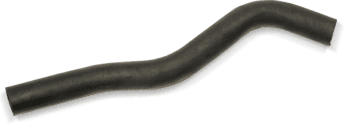
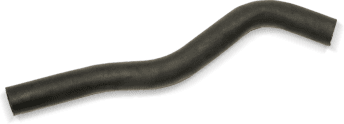
ESEN SKV 24SKV389 Radiator hoseWeight [kg]: 0,3; Colour: black; Material: EPDM (ethylene propylene diene Monomer (M-class) rubber); Inner Diameter 1 [mm]: 30; Inner Diameter 2 [mm]: 29; Guarantee: 3 years guarantee; Hose Length [mm]: 455; Suitable for vehicle type: PC (passenger car); Always compare old and new part (in particular OE No.):6,99 £*Shipping: 8,45 £Secure redirect to the provider
-
ESEN SKV 24SKV237 Radiator hoseWeight [kg]: 0,22; Colour: black; Material: EPDM (ethylene propylene diene Monomer (M-class) rubber); Inner Diameter 1 [mm]: 33; Hose Length [mm]: 360; Suitable for vehicle type: PC (passenger car); Always compare old and new part (in particular OE No.): ; Construction Year to: 05/1997, 07/2000; Construction Year from: 11/19948,99 £*Shipping: 8,45 £Secure redirect to the provider
-
ESEN SKV 24SKV264 Radiator hoseWeight [kg]: 0,16; Cooling Hose: from radiator to water pipe; Cooling Hose: from engine to engine cooler, from coolant regulator housing to auxiliary water pump; Guarantee: 3 years guarantee; Always compare old and new part (in particular OE No.):7,99 £*Shipping: 8,45 £Secure redirect to the provider
-
ESEN SKV 54SKV892 Radiator hoseOuter Diameter 1 [mm]: 30; Weight [kg]: 0,08; Material: EPDM (ethylene propylene diene Monomer (M-class) rubber); Inner Diameter [mm]: 17; Outer Diameter [mm]: 23; Length [mm]: 210; Inner Diameter 1 [mm]: 24; Always compare old and new part (in particular OE No.):7,99 £*Shipping: 8,45 £Secure redirect to the provider
-
Which radiator heats better: a flat panel radiator or a ribbed radiator?
A ribbed radiator typically heats better than a flat panel radiator. The ribbed design increases the surface area of the radiator, allowing for more efficient heat transfer. This means that a ribbed radiator can heat a room more quickly and effectively than a flat panel radiator. Additionally, the ribbed design allows for better circulation of air, further enhancing its heating capabilities. **
-
Is a 420mm radiator stronger than a 480mm radiator?
In general, the size of a radiator does not necessarily determine its strength. The strength of a radiator is typically determined by factors such as the material it is made of, the design of the fins and tubes, and the quality of the pump. Therefore, a 420mm radiator may not necessarily be stronger than a 480mm radiator. It is important to consider the specific specifications and performance metrics of each radiator to determine which one is stronger for your particular cooling needs. **
-
How can one repair a radiator with a radiator sealant?
To repair a radiator with a radiator sealant, first, ensure the engine is cool and the radiator is not under pressure. Then, locate the radiator cap and pour the sealant directly into the radiator. After adding the sealant, start the engine and let it run for about 15-20 minutes to allow the sealant to circulate and seal any leaks. Finally, check for any remaining leaks and top up the coolant if necessary. **
-
How do I remove the radiator from the radiator grille?
To remove the radiator from the radiator grille, you will first need to locate and remove any screws or bolts that are holding the radiator in place. Once these are removed, carefully disconnect any hoses or electrical connections attached to the radiator. Then, gently lift the radiator out of the grille, being careful not to damage any surrounding components. It's important to follow the specific instructions for your vehicle, as the process may vary depending on the make and model. If you're unsure, it's best to consult a professional mechanic or refer to the vehicle's manual for guidance. **
Similar search terms for ESEN-SKV-24SKV389-Radiator
-
What is your urgent question about PC building and radiator fans?
My urgent question about PC building and radiator fans is: "What are the best practices for installing and configuring radiator fans in a PC build to ensure optimal cooling performance and airflow? I want to make sure that I am selecting the right fans for my radiator, positioning them correctly, and setting up the fan curves and control settings for efficient and effective cooling. Additionally, I would like to know if there are any specific considerations or potential issues to be aware of when integrating radiator fans into a PC build." **
-
Can a towel radiator be installed instead of a regular radiator?
Yes, a towel radiator can be installed instead of a regular radiator in a bathroom or kitchen. Towel radiators are designed to not only heat the room but also provide a convenient place to hang towels for drying. They come in various sizes and styles to fit different spaces and decor preferences. However, it is important to ensure that the towel radiator is compatible with the heating system in the home before installation. **
-
How can you repair a radiator with a radiator sealant repair?
To repair a radiator with a radiator sealant, first, ensure the engine is cool and the radiator is empty. Then, pour the radiator sealant directly into the radiator and fill it with water. After that, start the engine and let it run for a while to allow the sealant to circulate and seal any leaks. Finally, check for any remaining leaks and top off the radiator with coolant as needed. Keep in mind that while radiator sealant can be a temporary fix, it's best to have a professional mechanic inspect and repair any serious radiator issues. **
-
How can an old radiator be replaced with a towel radiator?
To replace an old radiator with a towel radiator, you will first need to turn off the central heating system and drain the water from the existing radiator. Next, remove the old radiator from the wall by disconnecting the valves and brackets. Install the towel radiator in its place by fixing the brackets securely to the wall and connecting the valves. Finally, refill the central heating system and bleed the towel radiator to remove any air bubbles. **
* All prices are inclusive of VAT and, if applicable, plus shipping costs. The offer information is based on the details provided by the respective shop and is updated through automated processes. Real-time updates do not occur, so deviations can occur in individual cases. ** Note: Parts of this content were created by AI.