Buy seopark.eu ?
We are moving the project
seopark.eu .
Are you interested in purchasing the domain
seopark.eu ?
domain@kv-gmbh.de · 0541-91531010
Buy seopark.eu ?
How do you use the clutch in traffic?
In heavy traffic, it's important to use the clutch to control the speed of the vehicle and to avoid stalling. When approaching a stop, press the clutch pedal and shift into neutral to prevent the engine from stalling. As traffic starts to move again, gradually release the clutch while giving enough gas to smoothly accelerate. It's important to find a balance between using the clutch and gas pedal to maintain a steady and controlled movement in traffic. **
Should you disengage the clutch at the traffic light?
Yes, it is recommended to disengage the clutch at a traffic light to prevent unnecessary wear and tear on the clutch components. Keeping the clutch engaged while stationary can cause the clutch to overheat and wear out faster. By disengaging the clutch, you also reduce the risk of stalling the vehicle when the light turns green. **

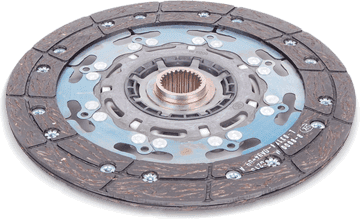
Similar search terms for KAWE-4617-Clutch-plate
Top-Angebote
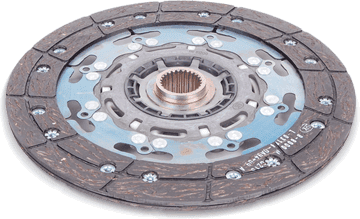
Products related to KAWE-4617-Clutch-plate:
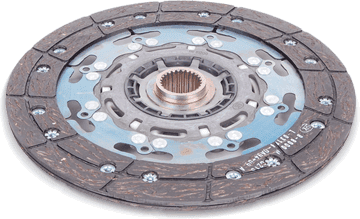
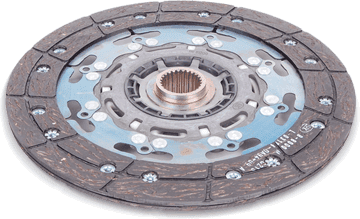
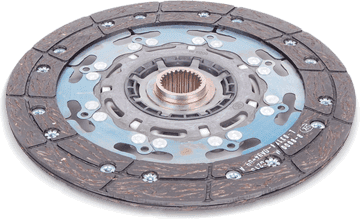
-
How do I press the clutch at the traffic light?
To press the clutch at a traffic light, you need to push the clutch pedal all the way to the floor with your left foot. This disengages the engine from the wheels, allowing you to come to a complete stop without stalling. Keep the clutch pressed until you are ready to move again, then release it slowly while gently pressing the accelerator to smoothly engage the gears and move forward. Remember to always keep your foot on the brake pedal while the clutch is pressed to avoid rolling back. **
-
Which clutch attachment?
The best clutch attachment depends on the specific needs and preferences of the individual. Some popular options include a wristlet strap for easy carrying, a chain strap for a more elegant look, or a crossbody strap for hands-free convenience. Consider the occasions and outfits you'll be using the clutch for, as well as your personal style and comfort, to determine the best attachment for you. **
-
Is this plate a real slate plate?
No, this plate is not a real slate plate. Slate plates are typically made from natural slate stone, while this plate appears to be made from a different material, such as ceramic or porcelain. The texture and appearance of the plate suggest that it is not real slate. **
-
Should the clutch be engaged at or before the traffic light?
It is not necessary to engage the clutch at or before the traffic light if the vehicle is already in gear and the engine is idling. However, if the vehicle is in neutral, the clutch should be engaged before the traffic light turns green in order to shift into gear and move forward. Engaging the clutch too early can cause unnecessary wear on the clutch components, so it is best to engage it only when needed. **


Seasonal license plate or year-round license plate?
Seasonal license plates are a good option for people who only use their vehicles during certain times of the year, such as for recreational purposes. They can save money by only paying for registration during the months they use the vehicle. However, year-round license plates are more convenient for those who use their vehicles regularly throughout the year, as they don't have to worry about renewing their registration multiple times. Ultimately, the choice between seasonal and year-round license plates depends on the individual's specific needs and usage of their vehicle. **
What is the plate tectonics of the North American Plate and the Pacific Plate?
The North American Plate and the Pacific Plate are two of the largest tectonic plates on Earth. The North American Plate is a major plate that covers most of North America, Greenland, and parts of the Atlantic Ocean. The Pacific Plate is the largest tectonic plate and covers most of the Pacific Ocean. These two plates are converging along the west coast of North America, where the Pacific Plate is being subducted beneath the North American Plate, leading to the formation of the Cascade Range and the Sierra Nevada mountains. This subduction zone is also responsible for the frequent earthquakes in the region. **
Top-Angebote
Products related to KAWE-4617-Clutch-plate:
-
How do you use the clutch in traffic?
In heavy traffic, it's important to use the clutch to control the speed of the vehicle and to avoid stalling. When approaching a stop, press the clutch pedal and shift into neutral to prevent the engine from stalling. As traffic starts to move again, gradually release the clutch while giving enough gas to smoothly accelerate. It's important to find a balance between using the clutch and gas pedal to maintain a steady and controlled movement in traffic. **
-
Should you disengage the clutch at the traffic light?
Yes, it is recommended to disengage the clutch at a traffic light to prevent unnecessary wear and tear on the clutch components. Keeping the clutch engaged while stationary can cause the clutch to overheat and wear out faster. By disengaging the clutch, you also reduce the risk of stalling the vehicle when the light turns green. **
-
How do I press the clutch at the traffic light?
To press the clutch at a traffic light, you need to push the clutch pedal all the way to the floor with your left foot. This disengages the engine from the wheels, allowing you to come to a complete stop without stalling. Keep the clutch pressed until you are ready to move again, then release it slowly while gently pressing the accelerator to smoothly engage the gears and move forward. Remember to always keep your foot on the brake pedal while the clutch is pressed to avoid rolling back. **
-
Which clutch attachment?
The best clutch attachment depends on the specific needs and preferences of the individual. Some popular options include a wristlet strap for easy carrying, a chain strap for a more elegant look, or a crossbody strap for hands-free convenience. Consider the occasions and outfits you'll be using the clutch for, as well as your personal style and comfort, to determine the best attachment for you. **
Similar search terms for KAWE-4617-Clutch-plate
-
Is this plate a real slate plate?
No, this plate is not a real slate plate. Slate plates are typically made from natural slate stone, while this plate appears to be made from a different material, such as ceramic or porcelain. The texture and appearance of the plate suggest that it is not real slate. **
-
Should the clutch be engaged at or before the traffic light?
It is not necessary to engage the clutch at or before the traffic light if the vehicle is already in gear and the engine is idling. However, if the vehicle is in neutral, the clutch should be engaged before the traffic light turns green in order to shift into gear and move forward. Engaging the clutch too early can cause unnecessary wear on the clutch components, so it is best to engage it only when needed. **
-
Seasonal license plate or year-round license plate?
Seasonal license plates are a good option for people who only use their vehicles during certain times of the year, such as for recreational purposes. They can save money by only paying for registration during the months they use the vehicle. However, year-round license plates are more convenient for those who use their vehicles regularly throughout the year, as they don't have to worry about renewing their registration multiple times. Ultimately, the choice between seasonal and year-round license plates depends on the individual's specific needs and usage of their vehicle. **
-
What is the plate tectonics of the North American Plate and the Pacific Plate?
The North American Plate and the Pacific Plate are two of the largest tectonic plates on Earth. The North American Plate is a major plate that covers most of North America, Greenland, and parts of the Atlantic Ocean. The Pacific Plate is the largest tectonic plate and covers most of the Pacific Ocean. These two plates are converging along the west coast of North America, where the Pacific Plate is being subducted beneath the North American Plate, leading to the formation of the Cascade Range and the Sierra Nevada mountains. This subduction zone is also responsible for the frequent earthquakes in the region. **
* All prices are inclusive of VAT and, if applicable, plus shipping costs. The offer information is based on the details provided by the respective shop and is updated through automated processes. Real-time updates do not occur, so deviations can occur in individual cases. ** Note: Parts of this content were created by AI.